For small businesses, sales are arguably the biggest indicator of success. High sales are not only correlated with higher revenue but also with customer trust and brand loyalty. Sales methods and strategies vary across industries, but the fundamentals of consumer relations and trust remain the same.
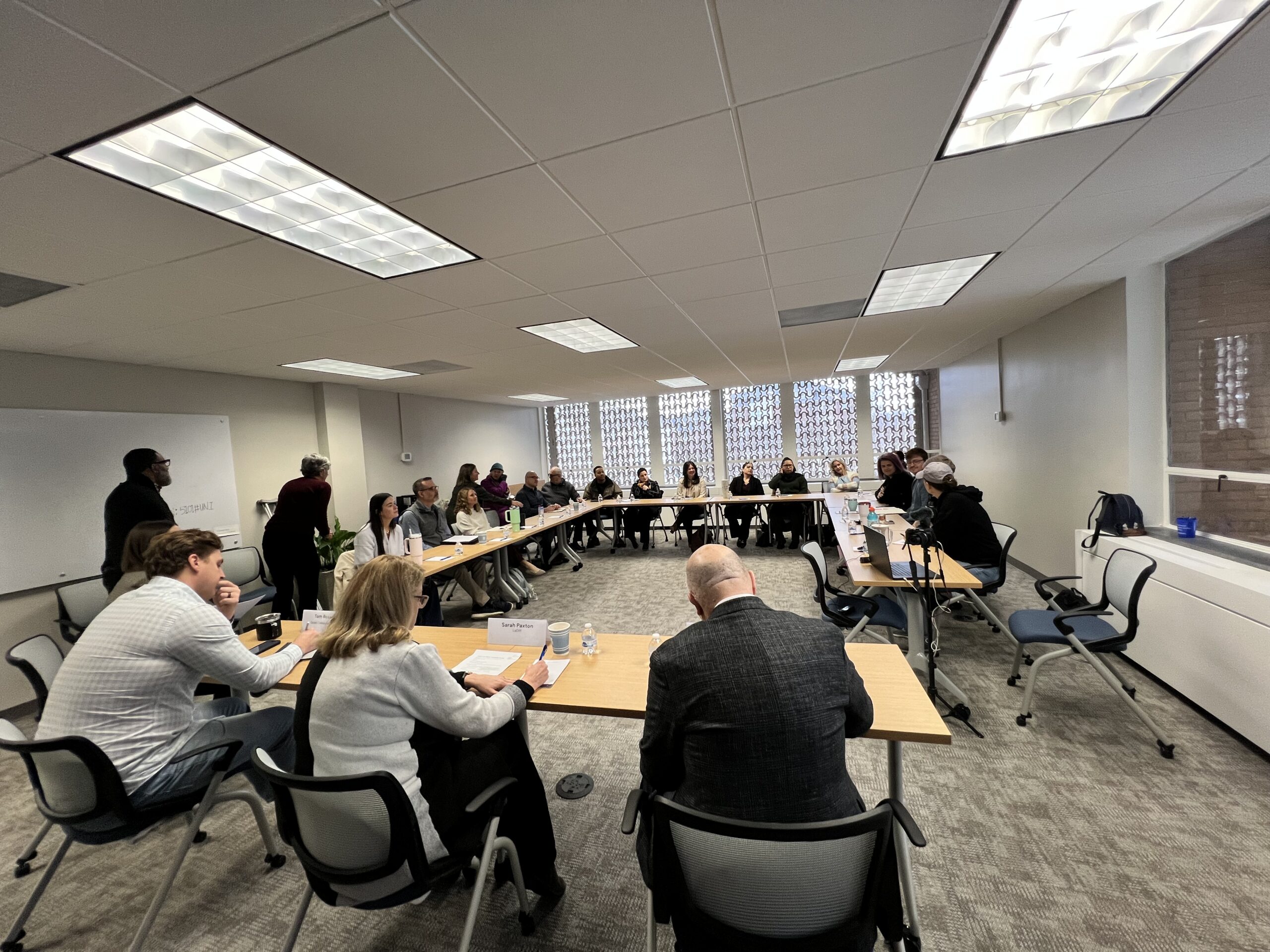
We sat down with Sarah Paxton, co-owner of LaDiff, Tom Rosser, co-owner of Gelati Celesti, and Scott Goldberg, chief sales officer at Dominion Payroll, to learn more about how to create a repeatable customer sales journey. You may be wondering what a furniture store, an ice cream shop, and a payroll solutions company have in common: they have all proven to be sales powerhouses. Paxton, Scott, and Goldberg share a common goal of building customer loyalty and repeat business. Keep reading for their best sales insights and tips.
How Sales are Changing
Technology, AI, legislation, tariffs, and shifts in customer behavior are among the trends that have altered the current consumer climate (Business of Home). Sales experts are continually making strategic moves to align their businesses with this evolving sales landscape. Goldberg reported that the most common sales move he has witnessed is the shift from manual research and tracking to platforms such as Salesforce, SalesLoft, and MyEdge, which streamline sales and improve efficiency.
Both Paxton and Rosser addressed the evolving nature of prices and tariffs.
“We’ve been disciplined about holding prices as steady as possible, even as input costs rise, which has forced us to get smarter,” said Rosser.
Similarly, Paxton focuses on price transparency in the modern sales environment.
“We have been very transparent with how the known and the unknown will affect both our store and them,” she stated.
Our experts’ advice for adapting to these changes is simple: monitor sales trends closely and be willing to learn. Making small, evidence-based moves will help your business succeed in any sales setting.
Find Customers
Your business is nothing without its customers, but finding and connecting with them can be challenging, especially when competing with online retailers and big-box chains. Across industries, referrals have proven to be the number one way to bring in new customers. Whether it’s a recommendation from friends or reviews on platforms like Google and Yelp, customers are more likely to engage with a business when referred by a trusted source.
Our experts recommend incentivizing both your customers and your employees to refer your business. Methods such as rewarding staff with bonuses for being named in a review or asking customers to refer a friend or connect you to someone in their network have proven effective at expanding sales pipelines. Running in-store deals and promotions, along with cross-channel marketing like working with influencers, creates shareable, engaging experiences that attract potential customers.
Building Trust Before Selling
When selling to your client, you are more than a salesperson: you are a product expert and a trusted advisor. To make the sale as successful as possible, embrace this role and do everything you can to understand your client or target audience. Ensure you know their needs, pain points, and problems. Ask about their preferred communication methods and shopping behaviors.
“The discovery process is where you build trust and understand how you help someone, because it’s all about solving their problems,” explained Goldberg.
Along with developing a relationship with your client beyond a sale, go above and beyond to demonstrate your team’s professionalism and reliability. Introduce the customer to other staff members or explain your business’s mission, vision, and values. This helps them to feel more connected to the company and reassures them about the quality of goods and services they will receive.
Our experts have found that when a client feels well understood, respected, and prioritized, they are more likely to move forward with a sale and return for future purchases.
Turning Customers into Loyal Advocates
Once you understand your clients’ needs and have built trust, you can begin selling your products and services. Genuine interactions go a long way in making a sale. Customers appreciate a natural conversation over a robotic, rehearsed sales pitch. Approach every client interaction with positivity and enthusiasm for your product. This creates excited customers who develop into long-term advocates.
Our experts believe that loyalty is shaped by experience: anticipating needs, following up thoughtfully, and showing customers they’re valued beyond the transaction creates a memorable customer journey. Loyal customers become repeat customers, fueling revenue and increasing your sales.
Common Sales Challenges
Not every attempted sale will be successful. As a salesperson, you have to be prepared for the unexpected, stall points, and, above all, the occasional “No.” Rosser explained that when he hears about unhappy customers or receives a complaint, he personally calls the customer to understand the situation better and make things right. Calling unhappy customers shows them that their opinions truly matter to your business.
Paxton recommends being ready for the unexpected. In sales, many things can change mid-sale. A successful salesperson will know how to navigate and address a variety of customer situations, ranging from spouses disagreeing on a purchase to a life event affecting a sale timeline.
A common sales challenge that Goldberg witnesses is sales people being ghosted by customers.
“Never let yourself get ghosted,” said Goldberg. “You have earned the right to get an answer,” he added.
Continue to contact the customer, and don’t let them forget about you. This persistence will keep you top of mind, and they ensure they remember you when they are ready to make a purchase.
Key Takeaways and Lessons Learned
Our experts have achieved sales success by recognizing that trust and loyalty are the foundation of a repeatable sales journey. By using strategy, connections, and referrals, you can develop relationships with clients that turn them into long-term advocates for your business. What should you always keep in mind when it comes to sales? Our sales specialists have shared their best advice for local businesses looking to increase their sales:
- “Loyalty is no longer just a tactic: it’s an asset class,” shared Rosser. “Real loyalty is built on perceived value, not just freebies. We’re investing in anticipatory service, meaning getting better at knowing what our guests want before they ask. And we’re layering in insider perks that feel personal, like being part of something most people don’t see. That’s what turns guests into ambassadors.”
- “Listen more than you talk, and it is always about the relationship,” added Paxton. “Don’t just talk about your products and services. Get to know your customers, ask questions, and take note of the replies. They will be more willing to share their shopping and spending methods with you (consciously or subconsciously) when they feel heard.”
- “Do your research on your clients, and go into each sale prepared to have a meaningful conversation about how you can help their business,” said Goldberg. “Always disciplined about your sales process.”
Looking to learn more about sales? Watch the full panel interview here, and don’t forget to sign up for the second installment of the InUnison sales series, Sales 102: Strategic Insights for Smarter Sales.